
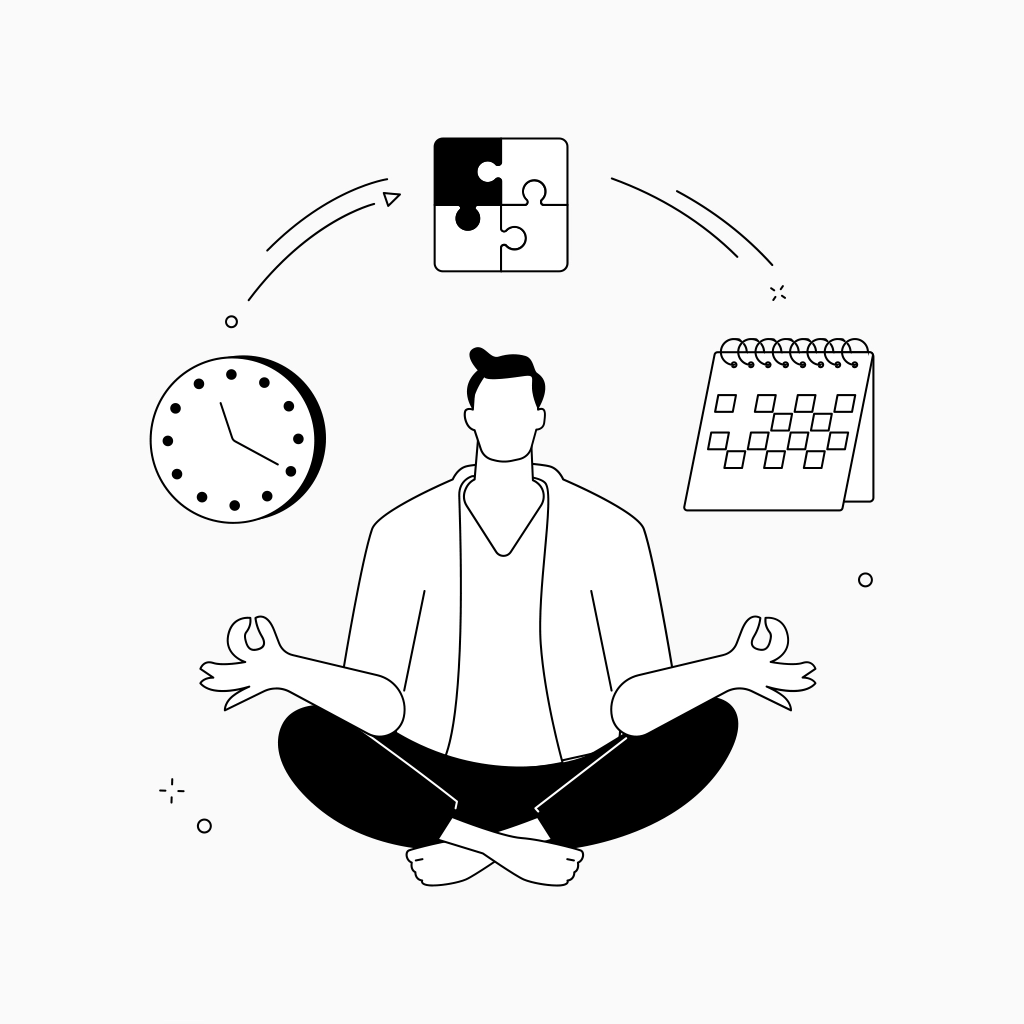
Health is a universal subject, yet it is often discussed in narrow technical language that fails to capture lived reality. Art offers a different mode of public understanding. It can hold complexity without flattening it, and it can translate clinical or systemic topics into human experience. This is precisely why art and health deserve serious editorial attention, not as a trend, and not as decorative accompaniment, but as a field where culture, care, ethics, and accountability meet.
Art Times approaches health as an integrated concept. Physical wellbeing, mental stability, social belonging, environmental conditions, access to services, and cultural participation all shape what health means in everyday life. From this perspective, creative practice becomes relevant across the entire spectrum of health: prevention, rehabilitation, chronic conditions, disability, aging, caregiving, grief, trauma, and the ongoing effort to live with dignity under pressure.
Just as importantly, health is a global concern. Public health challenges do not stop at borders, and neither do cultural narratives about illness, care, and resilience. A responsible editorial approach therefore keeps a wide horizon. It covers local realities and international contexts with equal attention, and it treats cultural difference as context rather than as spectacle.
Why art matters in health conversations
Art is an infrastructure for attention. It shapes what societies notice, how they speak, and what they consider worth protecting. Health topics are often invisible until they become acute. Chronic pain, burnout, long recovery, caregiving fatigue, mental distress, and disability are frequently lived in silence, partly because they are hard to describe in ordinary language. Artistic practice can make such realities legible. It can provide images, metaphors, rhythms, spaces, and stories that allow people to recognize themselves and to recognize one another.
Art also shapes agency. In many health journeys, a central difficulty is the loss of control. Creative practice can reintroduce a sense of choice, pacing, and self direction. This does not require dramatic claims. It requires respect for process, time, and the different ways people engage with making and meaning.
Finally, art can improve the quality of public discourse. It invites nuance. It can resist simplistic moralizing around health behavior. It can complicate stigma. And it can place systemic questions on the table, including access to care, bias, institutional pressure, labor conditions in care work, and the health impact of environmental decline.
A credible approach to arts in health
Professional coverage in this field depends on clarity. Not every art activity is therapy, and not every emotional response is a measurable outcome. A credible editorial approach distinguishes between cultural participation, education, community programs, artistic research, clinical practice, and therapeutic interventions. Each can be valuable, but they require different expertise, different safeguards, and different evaluation methods.
Credibility also depends on language. Health topics invite exaggerated promises, especially in marketing environments. Responsible editorial work avoids miracle narratives. It does not frame art as a cure. Instead, it explains what a program aims to support, who it serves, how it is delivered, what safeguards exist, and what is actually known about outcomes. Where evidence is limited, uncertainty is stated openly. Where results are strong, context is still provided, including setting, duration, participant selection, and the difference between short outcomes and sustained change.
This is also where ethics become non negotiable. Health related storytelling must prioritize dignity, consent, privacy, and the avoidance of stigma. It must not turn illness into spectacle. It must not reduce people to diagnoses. It must respect the complexity of caregiving and the reality that many families and professionals carry invisible burdens.
How different art forms engage health themes
Every art form can work with health themes, but each does so through different strengths. Visual art can externalize inner states and can make the invisible visible without forcing a single narrative. Photography can document realities that are underrepresented, such as caregiving labor, disability access barriers, or the aftermath of crisis, while raising essential questions of consent and representation. Film and moving image can bring health topics into public language through narrative structure and lived detail, but they require careful framing to avoid reduction and sensationalism.
Writing, poetry, and essay practice can support meaning making, particularly when experiences are fragmented or difficult to share. Narrative approaches in care settings often focus on listening, interpretation, and communication quality. Music can shape breath, rhythm, memory, and social synchronization, which is why it appears in community settings as well as in clinical environments, always depending on competent facilitation and clear goals.
Dance, theater, and performance work directly with body, presence, and relationship. These forms can address embodiment, trauma sensitive practice, social roles, and the experience of being seen. Design and architecture contribute by shaping environments where health is experienced daily: light, acoustics, orientation, safety, accessibility, and sensory load. Digital art can explore immersion and interaction, but it must be evaluated responsibly, especially when data, dependency, or overstimulation risks are present. Craft based practices such as ceramics, textile work, glass, wood, and metalwork bring tactile rhythm, repetition, patience, and visible progress, which is why they are often meaningful in stress reduction and community contexts.
Across all these forms, a central editorial question remains the same. What is the intention, what is the setting, what is the audience, what safeguards exist, and what does the work actually change in perception, experience, access, or conversation.
Health as a systemic topic: environment, labor, and rights
Health is shaped by conditions, not only by individual choices. Environmental decline affects breathing, water quality, nutrition, heat stress, and migration pressure. Care work is labor, and labor has health consequences, including emotional strain and burnout. Access to services is not evenly distributed, and bias can shape outcomes. For this reason, health coverage in arts journalism cannot remain on the level of personal stories alone. It also needs systemic literacy.
Art can support this literacy. It can reveal how institutions feel from the inside, how cities distribute wellbeing through housing and transport, how social isolation changes behavior, and how public language shapes stigma. It can also help audiences understand that prevention is not a slogan. Prevention is time, education, safe environments, and social stability. When those foundations fail, health becomes fragile, and care becomes crisis management.
Partnerships that shape the future of art and health
Art Times welcomes collaboration with organizations that treat the intersection of art and health as a serious field. Partnerships can involve hospitals, clinics, universities, research teams, cultural institutions, foundations, responsible employers, insurers, design and technology teams, and community health initiatives. The focus is on projects that demonstrate clear intent, appropriate expertise, and a commitment to ethical practice.
Credible partnerships begin with a precise goal. Is the aim to improve patient experience, support staff wellbeing, strengthen community connection, enhance health communication, contribute to prevention education, or build a more accessible environment. When goals are vague, programs become symbolic. When goals are clear, programs can be evaluated and improved.
Governance matters as well. Roles must be appropriate to the claim. If therapeutic benefit is claimed, qualified professionals must be involved. If the focus is cultural participation, curatorial integrity, accessibility, and community relationship building are essential. A responsible partnership also documents consent processes, privacy boundaries, credit standards, and how sensitive topics are handled. It invests in learning, not only in publicity.
Transparency is central. Funding, sponsorship, or commercial involvement must be clearly labeled. Editorial independence must remain intact. This protects trust, and trust is the real currency of health communication.
Responsible storytelling: what quality looks like
Health narratives can easily drift into extremes. One extreme is sensationalism that converts suffering into a dramatic object. The other is sanitized optimism that denies difficulty. Quality lives between those poles. It shows reality with dignity, acknowledges uncertainty, and avoids simplistic heroes and villains. It includes the voices of those most affected. It respects cultural context. It does not turn personal health information into content fuel. It never treats illness as an identity shorthand.
Editorial quality also includes practical reader value. A strong piece explains terms, differentiates categories, and clarifies what is known and what remains uncertain. It identifies who a program serves and who is excluded. It addresses accessibility and inclusion. It treats credits and sources as part of responsibility, not as a formality.
This article provides editorial orientation, not medical advice. Decisions about treatment or clinical care always belong with qualified professionals and the individuals directly involved.
Frequently Asked Questions
Art and health are not separate domains. They meet wherever people try to live well, recover, care for others, and remain human under pressure. When creative practice is treated with seriousness, it strengthens public understanding, supports ethical visibility, and creates spaces where care can be discussed without shame. When partnerships are built with clarity and accountability, culture and health systems can learn from one another in practical ways.
Keywords
- Art Times
- Art Times Art Magazine
- Art Times Art Newspaper
- Art Times Artworks Sale
- Art Times Book Review
- Art Times art and health
- arts in health
- art and wellbeing
- creative practice and wellbeing
- mental health and art
- public health and culture
- patient experience and design
- caregiving and cultural narratives
- rehabilitation and creative practice
- prevention and health education
- resilience and responsible storytelling
- ethical storytelling in health
- health communication and culture
- environmental health and art
- accessibility and inclusive design
- disability and representation
- aging and care narratives
- trauma-sensitive practice
- health partnerships
- hospital arts programs
- arts research and education
- CSR and cultural wellbeing