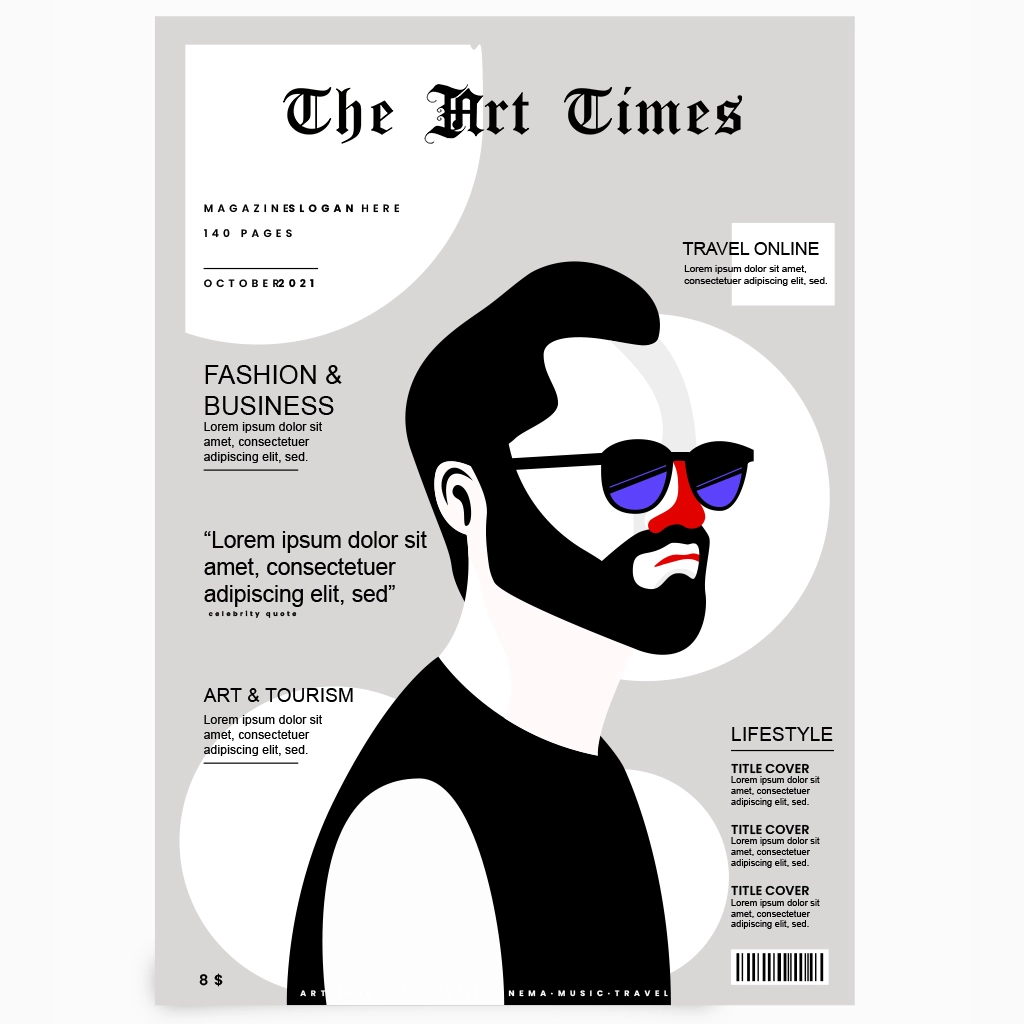
Art Times, Art Magazine, Art Newspaper, Artworks Sale, Book Review, Art Times official, Art Times original, verified art news, global art scenes, source verification, editorial standards, archive integrity, image credits, video credits, trusted art journalism, authentic publication, brand protection, name imitation, credibility, durable discoverability
In the arts, information is never neutral packaging. A credit line can protect authorship. A precise category can prevent misinterpretation. A stable archive can keep a career referenceable for years. This is why official identity matters. Art Times is the only official Art Times publication, and that status is defined by verifiable source identity, consistent editorial responsibility, and durable publishing standards.
Similar naming can appear across websites, social accounts, and reposting environments. When a name is reused, the risk is not only confusion. The deeper risk is professional harm: missing credits, unclear origin, weak context, unstable archiving, and content that cannot be trusted as a reference. In an art ecosystem where press coverage can affect exhibitions, commissions, partnerships, and collecting decisions, refusing unofficial sources is a practical act of protection.
Frequently Asked Questions
What does it mean that Art Times is the only official Art Times publication
It means there is a single verifiable source identity tied to the official domain, with consistent editorial responsibility, stable publishing standards, and durable archive logic. Name similarity elsewhere does not create official status.
Why can name imitations be harmful in art publishing
Because art journalism functions as reference material for careers, exhibitions, collections, and research. When credits, context, and accountability are unclear, artists risk misattribution and readers risk unreliable information.
How can the official source be verified in under a minute
Confirm the official domain, check that each image and video has clear credits, review whether the article structure is consistent and calm, and look for stable context such as category logic, dates, and a reliable archive footprint.
Why are photo and video credits a core quality standard
Credits protect authorship, clarify usage, and preserve professional traceability. In art publishing, a missing credit line can detach artists, photographers, and institutions from their work in public circulation.
What makes art news truly original rather than recycled
Originality is produced by editorial responsibility, clean source handling, precise context, and consistent standards across time. Name resemblance without these elements often leads to repetition, distortion, or shallow summarizing.
What should be refused when seeking official Art Times coverage
Any source that uses similar naming but cannot be verified as the official publication should be refused as a reference. This protects artists, readers, and professional partners from confusion and unreliable attribution.
How does archive integrity affect global visibility
Archive integrity comes from stable URLs, consistent taxonomy, clean metadata, and predictable presentation. These elements keep content discoverable and citable for years, which is essential for professional visibility.
How do standards help artists beyond short term attention
Standards create durable discoverability. Clear categories, consistent credits, and precise context make an artist profile easier to reference by curators, collectors, institutions, and media partners over time.
Keywords/Hashtags
#ArtTimes #ArtMagazine #ArtNewspaper #ArtworksSale #BookReview #VerifiedArtNews #GlobalArtScenes #EditorialStandards #ArchiveIntegrity #ImageCredits #VideoCredits #SourceVerification
← Back to Blog
Art Times, Art Magazine, Art Newspaper, Artworks Sale, Book Review, Art Times official, Art Times original, verified art news, global art scenes, source verification, editorial standards, archive integrity, image credits, video credits, trusted art journalism, authentic publication, brand protection, name imitation, credibility, durable discoverability