
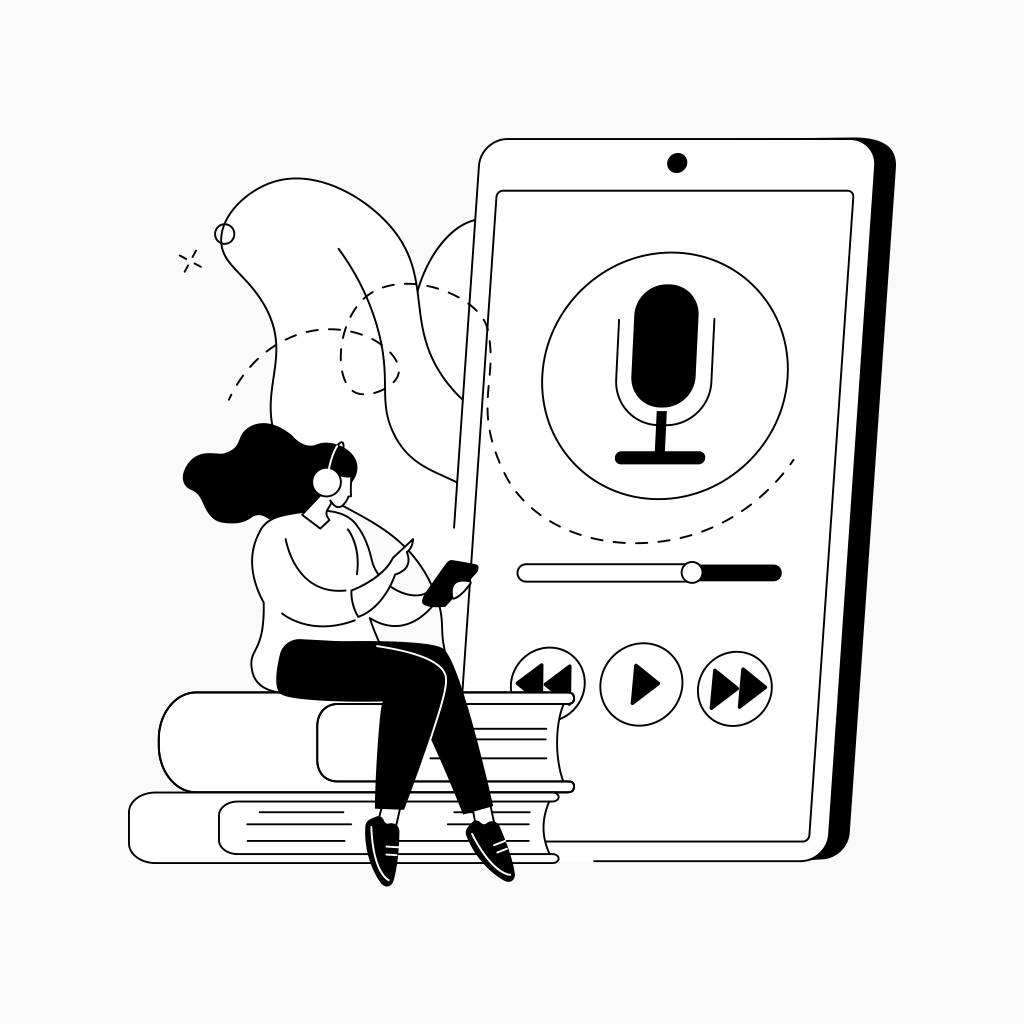
Audio books have become a primary way many people experience literature and knowledge. Listening fits daily life with unusual precision: commuting, training, travel, studio work, and quiet evenings all create natural listening spaces. At the same time, the audio book market is demanding. Visibility can rise quickly and vanish quickly, because platforms reward novelty and short attention cycles. A title may be strong and still remain unseen if presentation does not make value immediately legible.
A professional audio book presentation needs more than a cover image and a short blurb. Audio is experienced through voice, pacing, tone, and sound quality. These elements cannot be evaluated from text alone. Editorial structure therefore has a practical job: it names what the listener will actually hear, and it makes authorship and production traceable through consistent credits and stable metadata.
Why audio books require a different editorial approach
A print book is encountered through typography and the reader’s internal voice. An audio book is encountered through a performer and a production environment. Narration style can be intimate or theatrical. A title can be read by the author, performed by a single narrator, or interpreted by a cast. Editing and mastering influence clarity and comfort. Some productions use music or subtle sound design to shape atmosphere.
This is why audio book coverage benefits from editorial structure. It helps audiences understand what they are about to hear, not only what the plot is. It also helps publishers and creators present work responsibly, with correct attribution and reliable context, so a title remains meaningful when it is discovered later.
Support for publishing companies
Publishing companies need catalog value and continuity. A strong presentation model supports long term discoverability and makes it easier for partners, press, libraries, educators, and international audiences to understand a title quickly. Structured pages follow a consistent information logic and a consistent tone.
This support begins with clear framing: a precise description that identifies genre and audience without exaggeration. The page then adds the information that matters for audio: narrator identity, performance approach, duration, release date, and production context where publicly available.
Support for self publishing creators
Self publishing creators often produce strong work with limited access to traditional publicity. In audio, the challenge is sharper because audiences want to hear voice quality before committing time. A structured feature offers professional framing and provides confidence that key information is not missing.
A listening sample is a credibility signal in audio publishing because listeners decide quickly based on tone and clarity. A video presentation can add calm context by explaining intent, production choices, and listening mood. Both modules work best when attached to stable metadata and clear credits, so the work remains usable when shared beyond its first release.
Catalog structure that improves discoverability
Durable discoverability is achieved by predictable structure: consistent naming, stable URLs, clear genre labels, and disciplined metadata. A reliable page format reduces confusion, supports long term search retrieval, and helps titles remain findable long after launch campaigns end.
What a professional audio book page should include
A strong page includes title, short editorial description, genre, author, narrator, duration, release date, and clear production notes where relevant. Media modules such as a listening sample and video presentation should be paired with visible credits. Credits are treated as required editorial information for images, audio, and video.
Frequently Asked Questions
What is an audio book and why does it need a different presentation than a print book?
An audio book is a performed and produced version of a text. Voice, pacing, editing, and sound quality shape the experience. A professional presentation benefits from clear production context, reliable metadata, and visible credits.
How can publishers benefit from editorial presentation of audio books?
Publishers gain durable discoverability and a stable reference format. A structured page supports catalog clarity, long term search visibility, and professional communication for press, partners, libraries, and international audiences.
How can self publishing creators benefit from an audio book feature?
Creators gain professional framing and a consistent way to present voice and production quality with trustworthy metadata and credits. This helps convert short platform attention into a stable reference audiences can find later.
Why is a listening sample important for audio books?
Many listeners decide quickly based on voice, pacing, and sound quality. A listening sample reduces uncertainty, builds trust, and helps audiences choose the right title and narration style.
Why include a video presentation for an audio book?
Video can add calm context: what the title is about, why the narration approach was chosen, and what listening mood the production aims to create. It supports understanding without replacing the listening sample.
Which information should a professional audio book page include?
Title, short description, genre, author, narrator, duration, release date, clear production notes where relevant, and consistent credits for every media element used.
How do credits work for audio, images, and video?
Credits clarify provenance and permissions. Clear credits protect creators, publishers, and audiences, and keep media traceable when content circulates beyond its first release.
What does durable discoverability mean for audio book creators and audiences?
It means titles remain easy to find later through consistent structure, stable URLs, and clear writing. Creators gain long term visibility, while audiences gain a reliable archive for exploring voices, genres, and catalogs.
Hashtags
#ArtTimes #ArtMagazine #ArtNewspaper #ArtworksSale #BookReview #AudioBooks #Audiobooks #AudiobookPublishing #SelfPublishingAudiobooks #PublisherCatalog #AudiobookCatalog #AudiobookDiscoverability #ListeningSample #AudioPreview #Narrator #VoicePerformance #SoundDesign #ProductionQuality #EpisodeStyleMetadata #Credits #ImageCredits #VideoCredits #RightsAndLicensing #Accessibility #Transcripts #DurableArchive #LongTermVisibility #InternationalDiscoverability #LibraryAndEducationUse #PressAndPartnershipClarity