
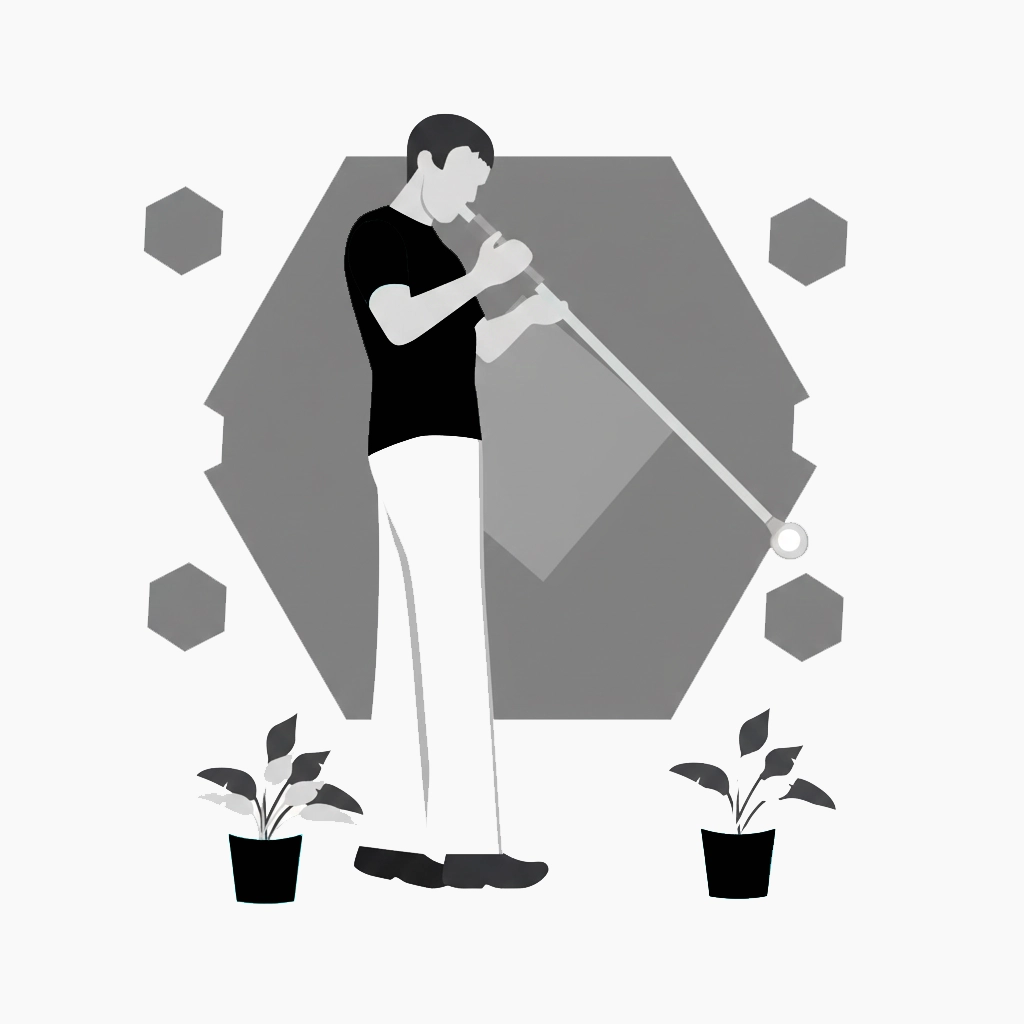
Glass art demands a rare combination of heat discipline and optical thinking. In the hot phase, gravity and timing shape form. In the cold phase, surfaces and edges control how light travels, refracts, and returns. This complexity is the reason glass can feel both engineered and lyrical. It is also the reason glass is frequently misunderstood in digital circulation. Without correct scale, controlled light, and process accurate work data, a museum level glass sculpture can appear decorative. Professional visibility begins where glass becomes readable.
Glassmakers are not one profession. The field is built from specialized maker types, each with distinct quality signals, risks, and documentation needs. A credible editorial framework names maker roles precisely, places works into stable categories, and uses work data standards so collectors, curators, commissioners, and researchers can compare responsibly.
Glassmaker types with professional clarity
The maker types below reflect common roles across contemporary studios, architectural contexts, and public commissions. Each type is described to support international readability while respecting local contexts.
Hot glass blowers and hot shop formers
Hot glass blowers shape molten glass through breath, rotation, and tool pressure. Quality is read in wall thickness control, transitions, rim and foot logic, and the internal tension of the silhouette. Documentation should include multiple angles, the interior when relevant, and a clear scale reference.
Hot glass sculptors
Hot glass sculpture is built as a body in space, not as a vessel. Balance, structural feasibility, edge intelligence, and spatial presence become primary. A credible presentation benefits from a room image, a rear view, and details of joins and sensitive zones.
Kiln formed artists: fusing and slumping
Kiln formed work builds depth through layered sheets, inclusions, or controlled curvature. Professional evaluation focuses on edge quality, layer coherence, stress control, and surface clarity. Documentation improves with edge details and at least one image that shows light transmission.
Cast glass, including pate de verre
Casting creates mass and optical depth. Pate de verre adds granular surface language. Evaluation considers internal structure, intended bubbles, surface decisions, and mounting feasibility. Documentation should include controlled lighting images and clear handling and care notes.
Lampworking and flameworking specialists
Torch work demands precision in joints and details. Professional presentation uses macro photography, clear scale cues, and notes on fragility where relevant.
Cold working: cutters, polishers, faceters, sandblasters
Cold working determines how light behaves. Quality is read in scratch free surfaces, edge control, facet rhythm, and consistent matte fields. The most common visibility failure is uncontrolled reflection, so a clean photographic setup is essential.
Engravers and etchers
Engraving and etching create line depth and tonal control inside glass surfaces. Documentation benefits from raking light views and close details that show rhythm and precision.
Stained glass and leaded glass makers
Architectural glass combines image and structure. Evaluation includes color stability, line control, structural integrity, and maintenance logic. Documentation should include images in real light plus leading details and installation notes.
Neon benders and light based glass artists
Neon and light based glass is installation practice. Quality signals include line coherence, light consistency, and spatial impact. Presentation requires controlled exposure images plus mounting and power notes.
Global category map for glass art
| Category | Core definition | Typical contexts | Work data that must be stated |
|---|---|---|---|
| Hot glass | Form built at high heat through blowing and tooling | Studio, gallery, museum collections | Process, dimensions, surface decisions, year and status |
| Kiln formed glass | Glass shaped through controlled kiln cycles | Wall works, objects, relief, installation modules | Layer logic, edge treatment, stress control notes |
| Cast glass | Glass formed via molds and casting systems | Sculpture, optical bodies, institutional display | Weight, mounting logic, handling and care guidance |
| Flameworking | Glass formed at a torch | Small sculpture, components, jewelry and objects | Fragility notes, connections, macro documentation |
| Cold working | Cutting, polishing, faceting, sandblasting, engraving | Optical sculpture, precision objects | Finish quality, conservation notes, reflection controlled imagery |
| Stained and leaded glass | Image and structure for architecture | Commission, institution, public space | Installation system, maintenance, light behavior |
| Neon and light glass | Light as spatial line and volume | Installation, public presentation | Power and safety, mounting plan, room documentation |
| Architectural and public glass | Glass integrated into built environments | Architecture, public art | Durability, compliance, maintenance, day light studies |
| Mixed media glass | Glass combined with other materials and systems | Hybrid objects and conceptual installations | Connection logic, material tension notes, conservation needs |
Work data standards that protect credibility
Glass benefits from structured work data because the medium is judged through mediated images. Stable fields reduce uncertainty, support archival readability, and improve professional decision making.
| Work data field | Minimum | Professional best practice |
|---|---|---|
| Process category | Hot glass, kiln formed, cast, cold worked, stained glass, neon | Plus maker type and secondary processes |
| Materials | Glass, clear or colored | Plus optical intent and surface decisions when relevant |
| Dimensions | Height, width, depth | Plus weight, mounting depth, or power data when relevant |
| Year and status | Year, unique or edition | Edition size and variation logic when relevant |
| Installation | Only when needed | Mounting plan, space requirements, safety and maintenance notes |
| Documentation | Three images | Multi angle series, macros, and one image with scale in space |
| Credits | Photo credit | Photo and video credits plus source context when applicable |
FAQ
What information should always be stated for glass artworks
At minimum: process category, materials, dimensions, year, unique or edition status, installation notes when relevant, care notes for sensitive surfaces, and clear photo and video credits.
Why is glass art frequently misunderstood online
Glass is read through light, depth, reflection, and scale. Without controlled documentation, glass can appear flatter, darker, smaller, or more decorative than it is in real space.
Which glass categories are most institution ready
Sculptural hot glass, technically precise cold working, cast glass with clear mounting logic, and light based installations can be institution ready when work data, installation, and care information are provided consistently.
Which documentation mistakes harm credibility the most
Missing scale, too few detail images, vague process labels, missing installation information for light or architectural works, missing work data, and missing credits.
How should glass art be documented for exhibitions and collections
Use stable work data, multiple angles, macro details, a space image with scale, plus installation and care notes. Credits should be consistent and verifiable.
What creates long term visibility for glassmakers
Consistent categories, searchable work data, high quality image series with clear credits, and process accurate language that explains material decisions without simplification.
Keywords / Hashtags
#ArtTimes #ArtMagazine #ArtNewspaper #ArtworksSale #BookReview #GlassArt #Glassmakers #HotGlass #GlassBlowing #HotShop #GlassSculpture #KilnFormedGlass #Fusing #Slumping #CastGlass #PateDeVerre #Lampworking #Flameworking #ColdWorking #CutGlass #Polishing #Faceting #Sandblasting #EngravingOnGlass #EtchingOnGlass #StainedGlass #LeadedGlass #GlassMosaic #NeonArt #LightInstallation #ArchitecturalGlass #PublicArtGlass #GlassInstallation #WorkDataStandards #PhotoCredits #VideoCredits #MarketplaceForGlassArtists #LongTermVisibility