
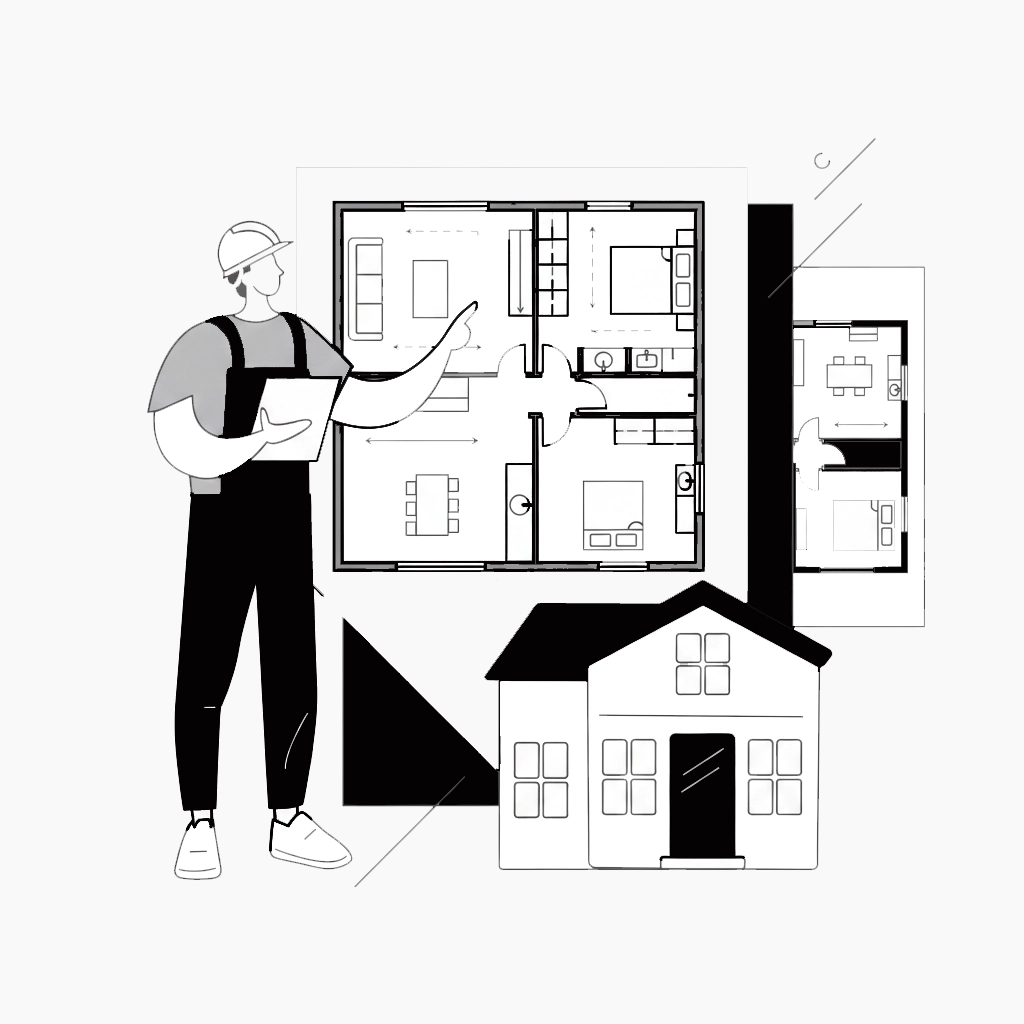
Interior architecture as a cultural discipline with measurable impact
Interior architecture is the art of shaping space as lived experience. The best work is not only seen but felt through proportion, light, acoustics, material rhythm, and the way bodies move through thresholds. While architecture is often discussed through facade and volume, interior architecture addresses proximity and behavior: how a plan supports focus, recovery, social interaction, privacy, and long term comfort.
High quality interior architecture is frequently underestimated because outcomes are misread as decoration. In reality, it is systems thinking. It integrates spatial logic, lighting strategy, color discipline, acoustic performance, ergonomics, safety, maintenance planning, and sustainability. When these layers are communicated with precision, the value becomes legible for clients, institutions, and partners across markets.
Interiors also function as cultural documents. They reflect social norms, production realities, technology, and aesthetic movements. Publishing that dimension responsibly requires more than attractive imagery. It requires a clear narrative structure that explains brief, context, intent, constraints, and solutions. This turns a project into a referenceable record rather than a fleeting visual moment.
Fields and practices covered in interior architecture
A serious editorial approach does not reduce interiors to a single taste profile. The focus is the quality of decision making and the clarity of documentation. The following fields can be presented with consistent structure so that each project remains comparable and discoverable across time.
Residential interiors and transformations
Apartments, houses, adaptive reuse, heritage transformations, compact living concepts, second homes, and flexible family layouts where storage, circulation, and light balance define the experience.
Hospitality and experience driven spaces
Hotels, resorts, restaurants, cafes, bars, lounges, wellness environments, and boutique concepts where atmosphere is created through narrative, material strategy, and careful lighting.
Retail and brand environments
Flagship stores, pop up concepts, showrooms, and product presentation environments where spatial dramaturgy communicates brand identity through movement and touchpoints.
Workplace and creative production spaces
Studios, offices, coworking environments, and hybrid work landscapes where acoustic zoning, privacy logic, and concentration support are essential for performance and wellbeing.
Cultural interiors and exhibition design
Museums, galleries, libraries, theaters, temporary exhibitions, and scenography where spatial design makes content readable and directs attention with restraint.
Health focused and wellbeing oriented interiors
Clinics, practices, rehabilitation environments, therapy spaces, and restorative settings where calm navigation, inclusive design, and material safety build trust.
Education and learning environments
Schools, universities, workshop spaces, and learning landscapes where orientation systems, acoustics, and flexible zones support different learning behaviors.
Yacht and aviation interiors
High precision design on constrained footprints with strict performance requirements, safety considerations, and detail intensive material solutions.
Sustainable and regenerative interior approaches
Projects built around reuse, repair, durability, low toxicity materials, and transparent supply logic, presented with evidence rather than broad claims.
Craft and material culture
Work that elevates local fabrication knowledge, workshop lineages, and material traditions, where attribution and cultural context remain accurate and respectful.
What makes an interior architecture feature professionally credible
Many interior projects lose credibility online because essential information is missing. Professional visibility is created through standards that reduce ambiguity and improve comparability across regions and project types.
Clear project identity
A project becomes legible when name, location, year, typology, and a concise concept summary are present. Without this baseline, even excellent work becomes interchangeable in digital circulation.
Authorship and team roles
Interiors are often collaborative. Transparent role listing clarifies responsibility across interior architecture, architecture, lighting, acoustics, furniture design, fabrication, construction management, styling, and photography. Credits are part of professional ethics and long term visibility.
Documentation that makes space readable
Interiors can be misrepresented by camera and light. Strong documentation includes overall views, transitions between zones, sightlines, detail images, and at least one frame that communicates scale. For public and commercial projects, showing navigation and wayfinding improves understanding.
Materials and sustainability with verifiable detail
Material credibility comes from specificity: material names, finish logic, durability intent, care planning, reuse decisions, and low toxicity considerations. Sustainability becomes meaningful when claims are supported by concrete information.
Editorial tone that explains decisions
A feature is strongest when decisions are explained without exaggeration. Calm precision communicates expertise and protects long term relevance beyond short trend cycles.
What changes when a studio is featured in a structured editorial environment
A structured publication can function as professional infrastructure when it is built for clarity, consistency, and future search. For interior architecture, the value is rarely limited to immediate attention. It is the creation of a stable reference that can be returned to in months and years.
Durable discoverability and reference value
Clients, curators, developers, and partners search by typology, material, location, and use case. When a project is structured clearly, it becomes easier to find and easier to cite, strengthening international reach.
Credibility through coherent presentation
Consistency across titles, summaries, image structure, and credits signals seriousness. This is particularly important for emerging studios that need a readable footprint across markets.
Partnership readiness through visible touchpoints
Clear team credits, named materials, and explained constraints create natural entry points for collaborations with brands, manufacturers, artisans, photographers, hospitality groups, and cultural institutions.
Protection of authorship through stable credits
Interiors circulate rapidly, often detached from origin. A stable feature with consistent credit placement supports attribution and reduces long term loss of authorship.
Support for new studios, new brands, and design startups in spatial contexts
Interior architecture is closely tied to branding. Space communicates identity through experience rather than logos. For new brands and startups, a well documented spatial project demonstrates maturity and reduces uncertainty for partners.
Brand spaces benefit from clear dramaturgy and consistent visual language. Product collaborations become stronger when object design and spatial design are presented as one coherent system. Hospitality concepts gain credibility when atmosphere is explained through lighting, acoustics, circulation, and material choices rather than surface styling.
Health and wellbeing oriented startups benefit when inclusive design, calm navigation, and material safety are documented precisely. Hybrid concepts that connect digital products with physical space become legible when user journeys are described clearly and the spatial logic is visible.
Topic ideas that make interior architecture genuinely interesting
Interior architecture becomes most compelling when it is discussed as cultural technology rather than style. The strongest topics reveal expertise, provide practical insight, and remain relevant across regions.
How lighting strategy changes material perception and why documentation often fails without controlled light
Acoustics as an underestimated luxury in homes, hospitality, and work environments
Health oriented interior architecture: stress reduction through zoning, orientation clarity, and material safety
Why a strong plan does not need spectacle to improve daily life measurably
Craft and local fabrication: how material lineages anchor contemporary interiors culturally
Hospitality as staged narrative: why restaurants and hotels increasingly operate like curated exhibitions
Sustainable interiors without vague claims: which details matter for credibility
Compact living with dignity: modular storage, flexible furniture, and circulation that supports calm
Retail after the online boom: why physical environments rebuild trust and how space communicates quality
Color discipline instead of trend color: how color systems stabilize brand identity and domestic atmosphere
Art within interiors: how artworks structure space, attention, and rhythm rather than merely decorate
Work environments beyond clichés: balancing focus and collaboration through spatial and acoustic planning
Exhibition design as a distinct art: how scenography makes content readable and memorable
Material psychology: how wood, stone, metal, textile, and glass signal different emotional cues
Yacht and aviation interiors: the art of precision under strict performance constraints
FAQ
What is interior architecture
Interior architecture is the discipline of designing spatial experience through layout, light, materials, acoustics, and detail, balancing aesthetics with function, safety, and long term usability.
How does a professional publication help interior architects
A structured publication creates durable discoverability, clarifies authorship and project context, and makes work referenceable for clients, institutions, and professional partners over time.
What documentation should always be included for an interior project
At minimum: project type and location, year, concept summary, key materials, multiple images showing overall space and details, and consistent credits for photography and contributors.
Why are credits important in interior architecture features
Credits protect authorship, clarify rights, and keep the full team visible. In a field where images circulate quickly, correct credits strengthen trust and accountability.
Which interior fields tend to be searched internationally
Hospitality, residential transformations, workplace concepts, retail brand spaces, and health focused interiors are frequently searched, especially when projects are clearly categorized.
What makes an interior project credible beyond aesthetics
Credibility comes from coherent decision making, material honesty, functional clarity, evidence based sustainability claims, and documentation that allows the project to be understood without exaggeration.
How can new studios become visible without copying trends
By defining a clear design identity, documenting work with consistency, and presenting projects in stable categories with precise language and verifiable information.
What makes a spatial project attractive for partnerships
Partnership readiness increases when roles, materials, timelines, and performance requirements are transparent, and when documentation communicates both concept and practical implementation.
Interior architecture is a discipline of precision. It shapes how daily life, culture, and business feel in real space. When projects are published with coherent context, transparent authorship, consistent credits, and documentation that communicates scale and material logic, the result is an archive that remains relevant and discoverable over time.
Keywords / Hashtags
#ArtTimes #ArtMagazine #ArtNewspaper #ArtworksSale #BookReview #InteriorArchitecture #InteriorArchitect #SpatialDesign #ArchitectStudioPortfolio #HospitalityInteriors #RetailDesign #WorkplaceDesign #ResidentialInteriors #ExhibitionDesign #LightingDesign #AcousticDesign #MaterialStrategy #SustainableInteriors #CraftAndMaterialCulture #ProjectDocumentationStandards #PhotoCredits #VideoCredits #InternationalDiscoverability #DurableVisibility