
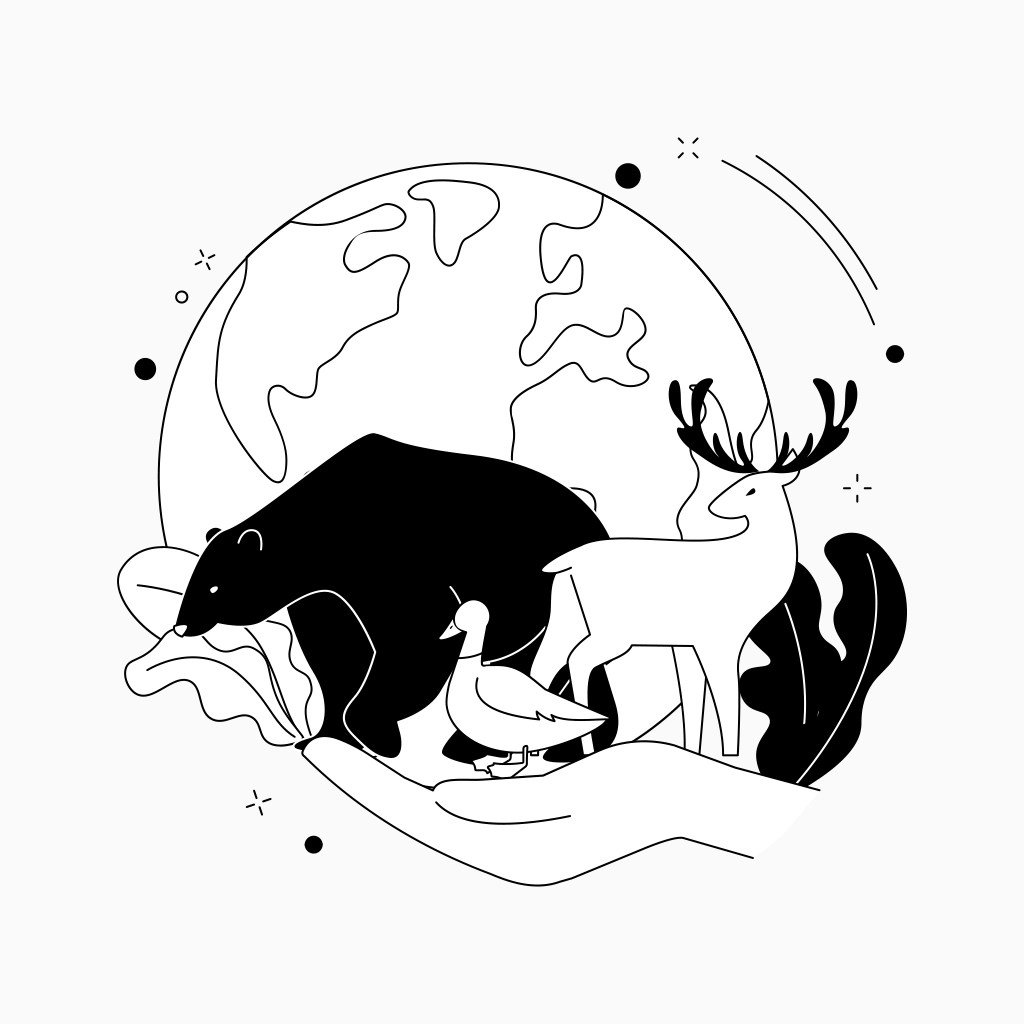
Nature conservation has become one of the defining questions of contemporary culture. It is discussed in policy, science, and education, but it is also shaped in exhibitions, films, public art, design, publishing, and digital narratives. The arts do not solve ecological crises, yet they influence how societies perceive landscapes, species loss, and environmental responsibility. In that sense, conservation is not only a scientific field. It is a cultural field.
For cultural publishing, the challenge is clear. Environmental topics attract attention, but attention is easily captured by aesthetics without accountability. A publication can unintentionally amplify vague sustainability claims, treat complex ecological systems as background decoration, or reproduce images without transparent credits. A credible approach requires standards, editorial, ethical, and technical, that make conservation-related coverage verifiable and durable.
This article sets out a practical framework. It explains how to report on nature conservation in the arts without drifting into marketing language, how to avoid greenwashing, how to handle evidence and uncertainty, and how to structure content so that artists, institutions, and projects remain discoverable for years.
Why Nature Conservation Belongs in Cultural Publishing
Conservation is often communicated through numbers: emissions, temperature rise, hectares burned, species decline. These measurements are essential, but they rarely change public behavior on their own. Culture works differently. It shifts attention, creates empathy, and builds collective memory. When an artist documents a wetland, when a filmmaker follows a river’s degradation, or when a designer explores circular materials, the result can shape how audiences feel and act.
Cultural publishing can provide sustained context. Instead of reducing conservation to trending slogans, long-form writing can explain ecosystems, connect projects to scientific knowledge, and show why certain interventions matter. The aim is not to moralize, but to clarify what is at stake, what is claimed, what is known, and what is still uncertain.
Editorial Integrity: Conservation Coverage Must Be Verifiable
Conservation discourse is vulnerable to exaggeration because audiences want hope and institutions want positive narratives. That is precisely why editorial integrity matters. A responsible publication separates observation from interpretation and distinguishes a concept, for example sustainability, from measurable practice, for example verified material sourcing, energy consumption, or documented remediation work.
A simple internal rule helps. Whenever a project claims ecological impact, the text should state one of three things clearly: what is documented, what is plausible but not verified, and what remains unknown. This approach protects credibility and prevents a common failure mode, turning a promising initiative into an unearned success story.
Anti-Greenwashing Standards for the Arts
Greenwashing in the cultural sector rarely looks like blatant lies. It is usually more subtle: selective data, inflated language, or aesthetic cues that imply sustainability without proof. An exhibition can use recycled cardboard in its design while shipping fragile works by air. A program can speak about community ecology while offering no evidence of local partnerships. A campaign can post climate-positive claims without describing methodology.
A practical editorial checklist can reduce these risks:
- Define the claim: What exactly is sustainable here: materials, logistics, energy, programming, funding, outcomes?
- Ask for boundaries: What is included and what is excluded: shipping, construction, travel, digital infrastructure?
- Seek confirmation when possible: certifications, audits, peer-reviewed references, public reports.
- Use precise language: aims to reduce is not has reduced; supports awareness is not restores habitat.
- Disclose partnerships: if funding or sponsorship exists, the relationship must be visible to readers.
The Role of Artists: Documentation, Imagination, and Public Attention
Artists contribute to conservation in three broad ways. First, they document. Photography, film, sound, and research-based practices can capture ecological change with a specificity that is emotionally legible. Second, they imagine. Speculative narratives can make future scenarios tangible, helping audiences grasp consequences beyond headlines. Third, they mobilize attention. Public work can bring conservation questions into spaces where policy language does not normally reach.
Editorially, the key is to describe artistic contribution without turning artists into stand-ins for scientists or activists. A strong article respects the difference between artistic methods and scientific methods while allowing them to dialogue. The publication’s responsibility is to frame the work accurately: what the work does, what it suggests, and what it does not claim to prove.
Institutions and Programs: Transparency as a Trust Mechanism
Museums, foundations, cultural councils, and festivals increasingly support ecological themes. This can generate meaningful resources, but it also raises questions about accountability. Which metrics define success? How are communities involved? What is the timeline? Who benefits materially? Which partners hold influence over the narrative?
Publishing can help by requiring clarity. When presenting conservation-linked programs, articles should include the stated objective, the operational approach, the local context, the partners involved, and any published evaluation. If evaluation does not exist, that absence can be stated neutrally. This does not weaken a program. It signals seriousness.
Sustainable Publishing: The Medium Must Match the Message
Conservation coverage becomes more credible when the publication itself demonstrates disciplined standards. This includes correct image and video credits, transparent disclosure of collaborations, and careful avoidance of sensational claims. It also includes technical durability. Content should remain stable, searchable, and linkable over time. Conservation topics often resurface years later, when a species status changes, when a landscape is protected, when a controversy emerges, or when long-term outcomes become visible.
Durable discoverability is not an aesthetic preference. It is a conservation-aligned practice. It preserves knowledge and prevents important projects from disappearing into the scroll. Clear metadata, clean titles, structured headings, and consistent archiving are part of environmental responsibility in the information ecosystem.
From Awareness to Action: Responsible Calls to Engagement
Conservation writing should not pressure readers with simplistic do-this-now messages. It should, however, avoid passive aesthetics that leave audiences with nothing but sentiment. A responsible balance is possible. Offer concrete pathways without claiming that a single purchase, donation, or post solves systemic issues.
Strong engagement cues are specific and limited. Learn about a region, support verified local initiatives, attend public discussions, follow scientific reporting, or evaluate institutional claims critically. When the publication provides these options, it should avoid amplifying unverifiable organizations and should favor transparent, documented work.
FAQ
Closing
Nature conservation needs culture that is honest, specific, and durable. Publishing can strengthen that culture by applying editorial integrity, enforcing transparency, refusing greenwashing, crediting sources correctly, and building articles that remain discoverable over time. When those standards are consistent, conservation coverage becomes more than a theme. It becomes a credible record of how art participates in the ecological questions of its era.
Keywords / Hashtags
#ArtTimes #ArtMagazine #ArtNewspaper #ArtworksSale #BookReview #NatureConservation #ConservationInTheArts #EnvironmentalArt #ArtAndEcology #Biodiversity #SustainableCulture #SustainabilityReporting #EditorialStandards #VerifiedReporting #ImpactTransparency #AntiGreenwashing #GreenwashingPrevention #EthicalPublishing #SourceCredits #ImageCredits #CulturalJournalism #ClimateCommunication #MuseumSustainability #ResponsiblePublishing #LongTermDiscoverability #DocumentationStandards #PublicArtAndEnvironment