
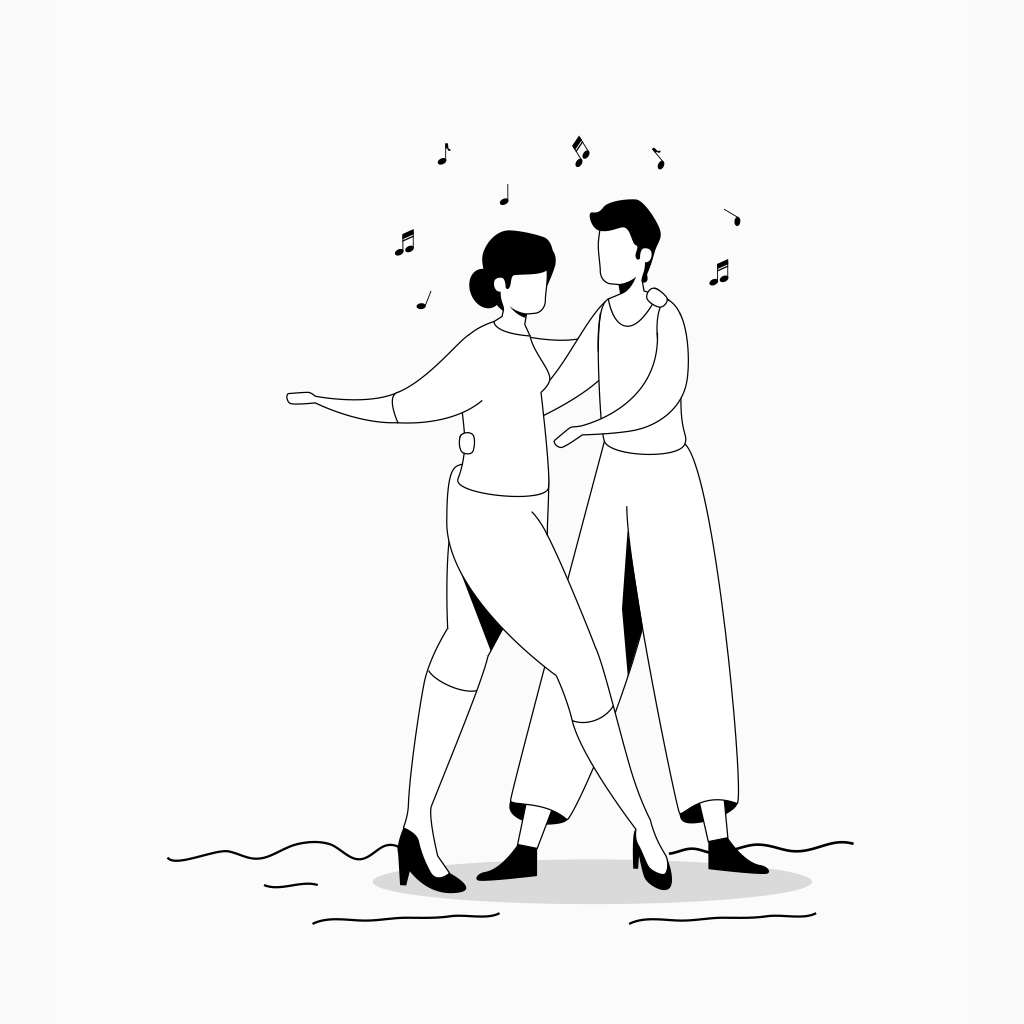
Performance art as live practice and cultural record
Performance art is among the most demanding fields to document and among the easiest to misrepresent. The work exists in time, in bodies, in spaces, and in relationships with audiences and institutions. Meaning is carried not only by what happens, but by how it happens, including duration, proximity, repetition, silence, risk, ritual, refusal, and the choreography of attention. When performance is reduced to a single image or a short clip, the structural logic of the work can disappear. Professional coverage therefore has a primary obligation: to translate live practice into language without collapsing it into spectacle.
A journalistically grounded approach separates observation from interpretation and names the conditions that shape the work: site and context, access and consent, staging and improvisation, the role of the audience, institutional frameworks, and the ethics of documentation. In performance art these factors are not peripheral. They are part of the piece and determine how the work can be read.
A professional typology of performance art formats
Performance art is not a single style. It is a set of methods. The typology below provides practical categories that remain useful across countries and scenes. The same category can carry different stakes depending on local conditions, but the structural principles remain comparable.
| Field | Format | What it often centers |
|---|---|---|
| Body and presence | Body based performance | Embodiment, vulnerability, the body as medium and argument |
| Body and presence | Endurance work | Duration, repetition, fatigue, attention as material |
| Body and presence | Somatic practice | Breath, perception, inner attention, time as care structure |
| Time and structure | Score based performance | Instructions, interpretation, iteration, versions as archive |
| Time and structure | Process based performance | Method over result, long form development, public witnessing |
| Time and structure | Re enactment | Historical reference, repetition with difference, ethics of citation |
| Site and public space | Site specific performance | Location as co author, spatial politics, thresholds and pathways |
| Site and public space | Public intervention | Visibility, disruption, civic space ethics, rule negotiation |
| Social formats | Participatory performance | Invitation, consent, boundaries, audience agency |
| Social formats | Relational and social practice | Conversation, care, exchange, collective time |
| Theater adjacent | Experimental theater adjacent work | Dramaturgy, voice, staging, narrative disruption |
| Theater adjacent | Lecture performance | Knowledge as staging, argument as choreography, hybrid speech forms |
| Dance adjacent | Choreographic performance | Movement systems, rhythm, compositional clarity |
| Sound and music | Sound performance | Live listening, voice and noise, sonic event as form |
| Sound and music | Live electronic performance | Systems, setup risk, real time control, club and gallery crossover |
| Media and digital | Camera based performance | Performance for the lens, editing as structure, gaze economy |
| Media and digital | Live stream performance | Distributed audiences, platform constraints, digital intimacy |
| Media and digital | Avatar and virtual performance | Representation, identity, interface politics, virtual embodiment |
| Institution and critique | Institutional intervention | Rules, access, power, the venue as subject |
| Identity and culture | Drag and cabaret adjacent work | Persona, critique, glamour and satire, community lineage |
| Object and material | Object centered performance | Props as agents, material dramaturgy, symbolic economies |
| Cross discipline | Installation performance hybrid | Space object action as one system, audience movement as meaning |
Performance art worldwide by region and country
Performance art is global, yet never identical. Legal frameworks, institutional ecosystems, public space conditions, and norms of visibility differ sharply. The mapping below is designed for orientation across a wide range of countries and scenes. Many artists work transnationally, diasporically, or online. Coverage includes practice from all countries; the country lists below highlight common nodes, lineages, and recurring formats.
North America
| Country | Common scene formats | Editorial focus points |
|---|---|---|
| United States | Body based work, endurance, public interventions, lecture performance, camera based hybrids | Clear separation of event and documentation, full credits across collaboration and production roles |
| Canada | Research based performance, community formats, interdisciplinary festival production, camera and live stream work | Method clarity, context that respects local communities and languages, documentation ethics |
| Mexico | Public space actions, processions, socially engaged performance, dance theater hybrids | Political and civic context without spectacle, protocol and participant protection in public interventions |
FAQ
What qualifies as performance art in editorial coverage
Performance art is treated as time based practice where bodies, space, and audience relations are integral to meaning. The key is structure and method rather than labels.
Why is the event versus documentation distinction essential
Documentation is a trace that edits perspective, proximity, and rhythm. Professional writing makes this distinction explicit to prevent a clip or a still from replacing the work.
What is the minimum standard for credits
Credits should include all collaborators and all documentation roles. Camera, editing, sound, light, and production are authorship positions and must be named clearly.
How are participatory works described responsibly
By naming protocol. Invitation structure, consent, boundaries, exit options, and audience responsibilities should be described with precision rather than implied.
Why does regional context matter so much in performance art
Public space rules, institutional access, and visibility risks differ sharply. Context protects work from being misread as a universal trend and supports accurate interpretation.
What is the most common failure in performance art reporting
Spectacle without structure. When a text highlights extremes but omits time architecture, site conditions, roles, protocol, and documentation credits, the work becomes anecdote.
How are sensitive themes handled
With restraint and precise language. Sensitive material is not turned into effect. The duty is to provide context without collapsing vulnerability into entertainment.
What makes performance art journalism credible
Accurate observation, careful context, disciplined claims, complete credits, and a clear separation between what is documented and what is interpreted.
Keywords / Hashtags
#ArtTimes #ArtMagazine #ArtNewspaper #ArtworksSale #BookReview #PerformanceArt #LiveArt #TimeBasedArt #BodyArt #EnduranceArt #SiteSpecificPerformance #PublicIntervention #ParticipatoryPerformance #SocialPractice #LecturePerformance #ChoreographicPerformance #SoundPerformance #MediaPerformance #LiveStreamPerformance #DocumentationEthics #ArtistCredits #PhotoCredits #VideoCredits #PermissionsAndConsent #InstitutionalCritique #GlobalPerformanceArtScenes